

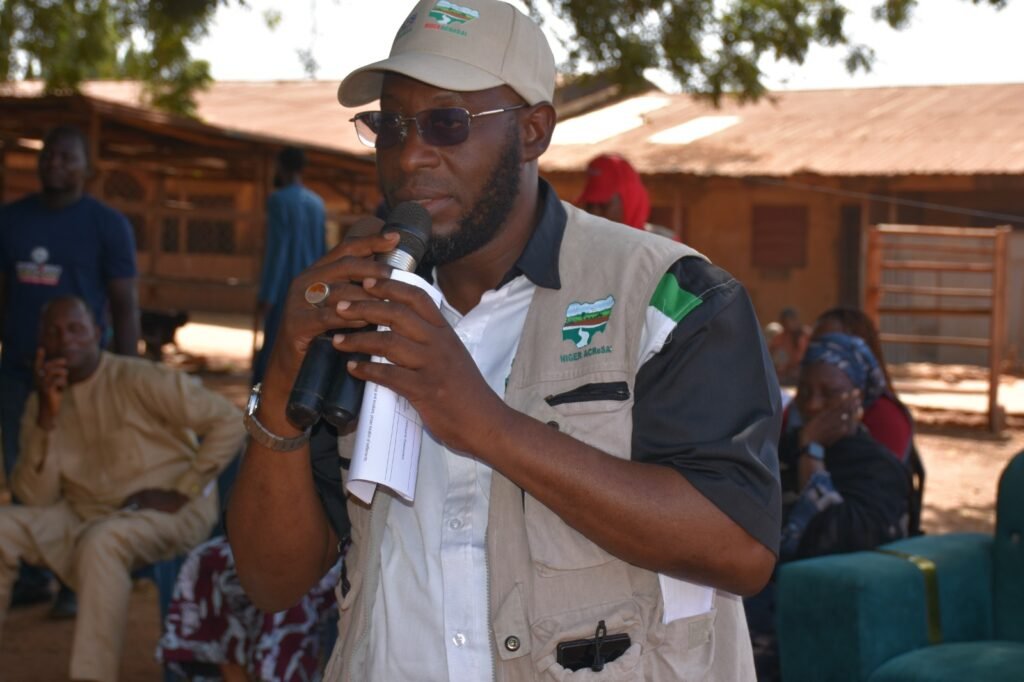

Niger State has taken a pioneering lead in the state-led, community-level downscaling of Strategic Catchment Management Plans (SCMPs), as the Niger State Agro-Climatic Resilience in Semi-Arid Landscapes (ACReSAL) Project organised a stakeholders’ engagement in Mokwa town to advance the process.
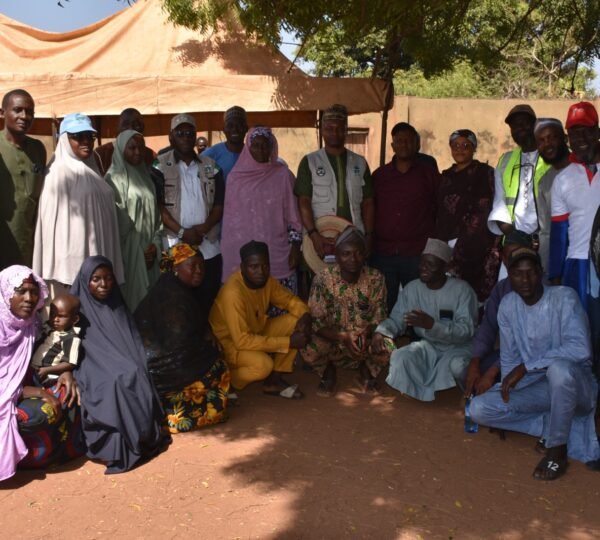
 The engagement brought together community leaders, relevant stakeholders and representatives from six Local Government Areas of Niger State, namely Mokwa, Borgu, Mashegu, Edati, Lavun and Kontagora, to deepen their understanding of the Strategic Catchment Management Plans and ensure that community-level realities, priorities and concerns are adequately captured.
In his opening remarks, the Niger ACReSAL State Project Coordinator, Mal. Raji Shehu Adam, welcomed participants and appreciated their presence and commitment towards advancing sustainable environmental management in the state.
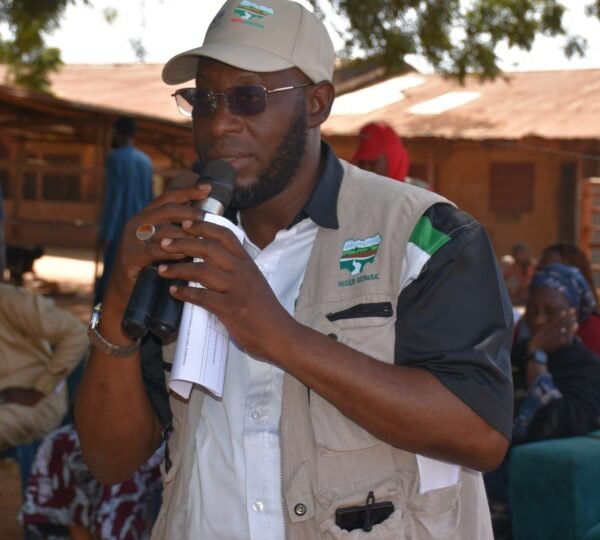 He emphasised that Niger State’s pioneering position in the community-level downscaling of SCMPs presented an important opportunity to strengthen grassroots participation in environmental planning and natural resource management. He explained that the exercise was not merely to present an already developed document but also to give communities and stakeholders the opportunity to critically review the plans, identify gaps, correct inaccuracies, make additional contributions and address possible omissions.
The Coordinator further encouraged participants to actively engage in the discussions and provide relevant information based on their local experiences and knowledge, stressing that their contributions would help ensure that the final Strategic Catchment Management Plans reflect the actual environmental challenges, priorities and development aspirations of the communities.
A major highlight of the engagement was the presentation of the Oshin-Oyi Catchment Management Plan by Professor Sheikh D. Abubakar Abubakar. The Oshin-Oyi Catchment cuts across three states of the federation: Kwara, Kogi and Niger States, making coordinated planning and collaboration among stakeholders particularly important for its effective and sustainable management.
The technical presentation provided stakeholders with an opportunity to understand the catchment management framework, its strategic priorities and the interventions proposed to address environmental challenges within the catchment landscape.
The downscaling exercise is designed to take the strategic catchment management framework closer to the grassroots, allowing communities and other relevant stakeholders to critically examine the proposed plans and provide necessary inputs. It also creates an opportunity for participants to identify gaps, correct inaccuracies, make additional contributions and address any omissions that may not have been adequately captured during the initial development of the plans.
Among the key personalities at the engagement was Mr. Ibeneme Sylvester Uchechukwu, GIS Specialist and SCMPs Desk Officer from the ACReSAL National Office, Abuja, who represented the National Project Coordinator.
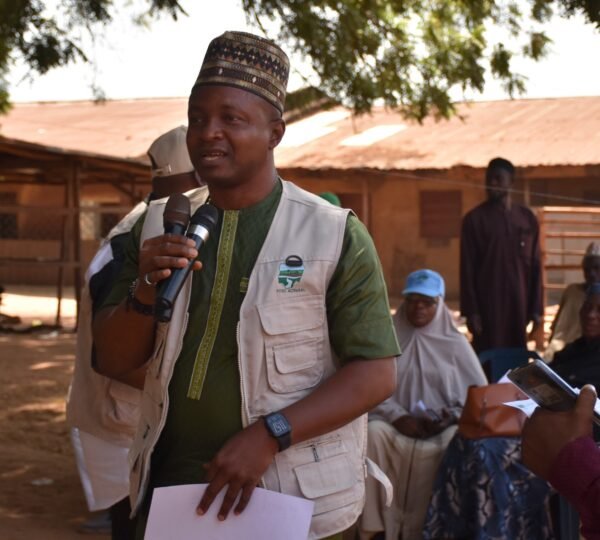 In his remarks, Mr. Uchechukwu described the Strategic Catchment Management Plans as a roadmap for guiding the implementation of ACReSAL interventions. He emphasised that the plans provide a strategic framework for coordinating activities and ensuring that interventions are properly aligned with the environmental priorities and needs of the catchment communities.
He further stressed the importance of stakeholder participation, technical accuracy, community ownership and collaboration in ensuring the successful implementation and sustainability of the Strategic Catchment Management Plans.
The Ndalile of Mokwa welcomed the initiative and underscored the importance of involving traditional institutions and community structures in environmental management and development programmes.
The participation of stakeholders from Mokwa, Borgu, Mashegu, Edati, Lavun and Kontagora Local Government Areas further demonstrated the importance of an inclusive and participatory approach to catchment management, particularly in addressing environmental challenges that cut across community and state boundaries.
As a pioneering state in the community-level downscaling process, Niger State is demonstrating leadership in translating strategic environmental plans into practical, locally informed and community-driven interventions. The initiative is expected to strengthen collaboration, improve the quality of the SCMPs and ensure that the final plans reflect the actual needs, experiences and aspirations of the communities.
The engagement reaffirmed ACReSAL’s commitment to sustainable land and water resource management, restoration of degraded landscapes, climate resilience and improved livelihoods through inclusive community participation.
 ACReSAL: Greening the Environment, Saving Lives.