

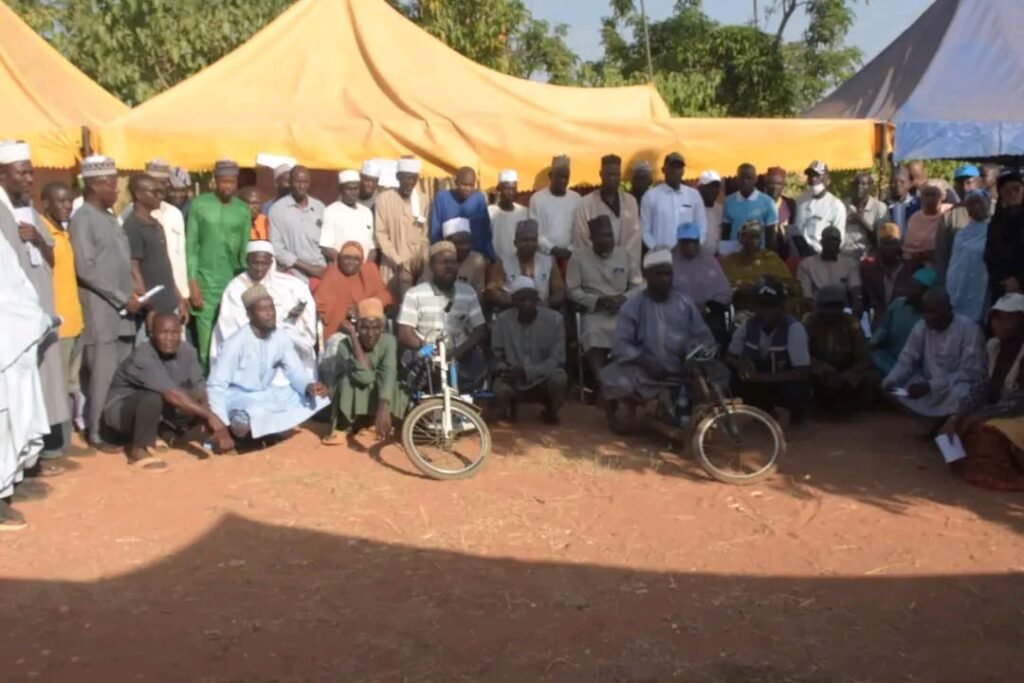

Niger State has successfully finalised and validated the Strategic Catchment Management Plans (SCMPs) for Malenda and Gulbin-Ka catchments, marking another significant milestone in the ongoing community-led stakeholder engagement and downscaling of Strategic Catchment Management Plans in the state.
The engagement, which took place on Thursday, 19th November 2026, at the Teachers House, Kontagora, brought together key stakeholders, representatives of relevant government institutions, community representatives and other critical actors to review, finalise and validate the two strategic catchment management plans.
In her welcome address, the representative of the Niger State Project Coordinator, Hajiya Rabi Mammam Lafiya, the Natural Resources Officer (NRO), Niger ACReSAL, welcomed all stakeholders to the meeting. She gave a brief overview of the Agro-Climatic Resilience in Semi-Arid Landscapes (ACReSAL) Project, highlighting its objectives and the importance of Strategic Catchment Management Plans in promoting sustainable natural resources management, environmental restoration and climate resilience.
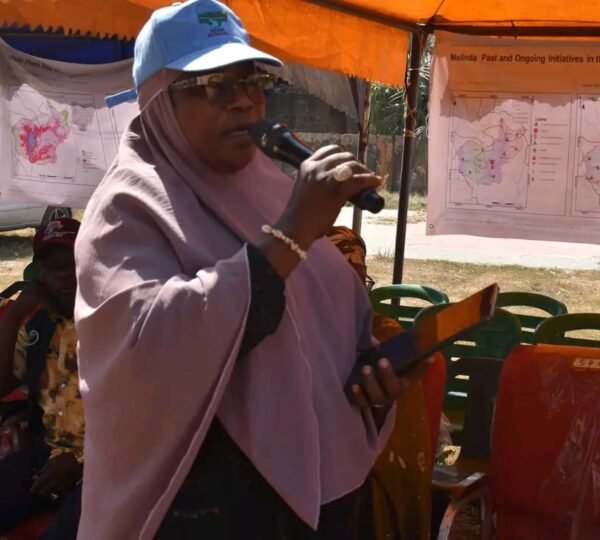 Also speaking, the representative of the National Project Coordinator, Mr. Ibeneme Sylvester Uchechukwu, GIS Specialist at the National Project Office, delivered the opening remarks. He explained the rationale behind the stakeholder engagement and emphasised the importance of active stakeholder participation in ensuring that the plans reflect the realities, priorities and development needs of the communities within the catchments.
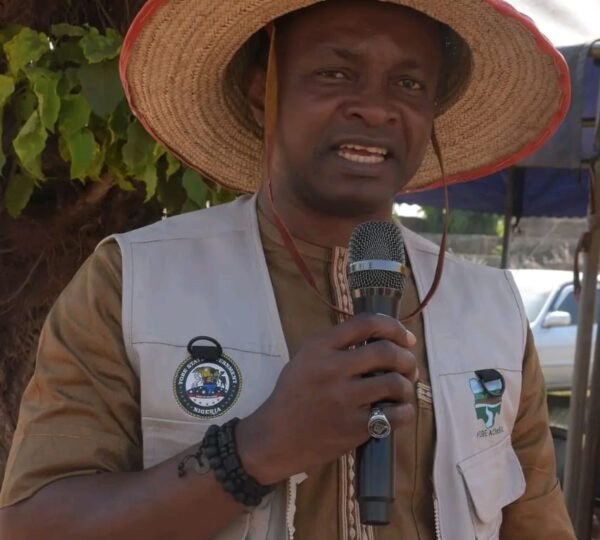 An overview of the Malenda and Gulbin-Ka catchments was subsequently presented by Professor Mairo Mohammed, from Federal University of Technology Minna. The presentation provided detailed insights into the characteristics and geographical boundaries of the two catchments, local government areas and communities covered, water resources assessment, land-use patterns and environmental conditions, spatial distribution of interventions, as well as key challenges and opportunities.
The presentation revealed that the Gulbin-Ka catchment covers Agwara, Borgu and Rijau Local Government Areas, while the Malenda catchment extends across Agwara, Borgu, Magana, Rijau, Mariga and Kontagora Local Government Areas.
The overview provided stakeholders with a better understanding of the environmental conditions, natural resource challenges and opportunities within the two catchments, thereby facilitating informed contributions towards the finalisation and validation of the plans.
In his closing remarks, the Executive Chairman of Kontagora Local Government Area, Bar. Lawal Yusuf, commended the ACReSAL Project for its laudable interventions and described the project as a significant initiative capable of improving the livelihoods of rural communities and addressing environmental challenges.
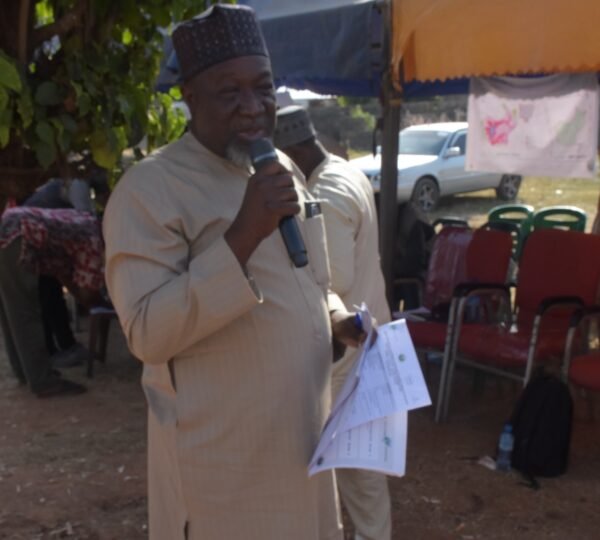 He appealed for the extension of more ACReSAL interventions to communities across the area and beyond Kontagora, with particular emphasis on the Community Revolving Fund (CRF), which he noted would provide valuable economic support and livelihood opportunities for beneficiaries.
The engagement concluded with stakeholders’ observations, contributions and necessary adjustments, leading to the finalisation and validation of the Malenda and Gulbin-Ka Strategic Catchment Management Plans.
The successful validation represents an important step towards strengthening community ownership, inclusive participation and sustainable natural resource management in Niger State. It also reinforces ACReSAL’s commitment to promoting climate resilience, restoring degraded landscapes and improving the livelihoods of communities across the state.
Niger ACReSAL: Greening the Environment, Saving Lives.