

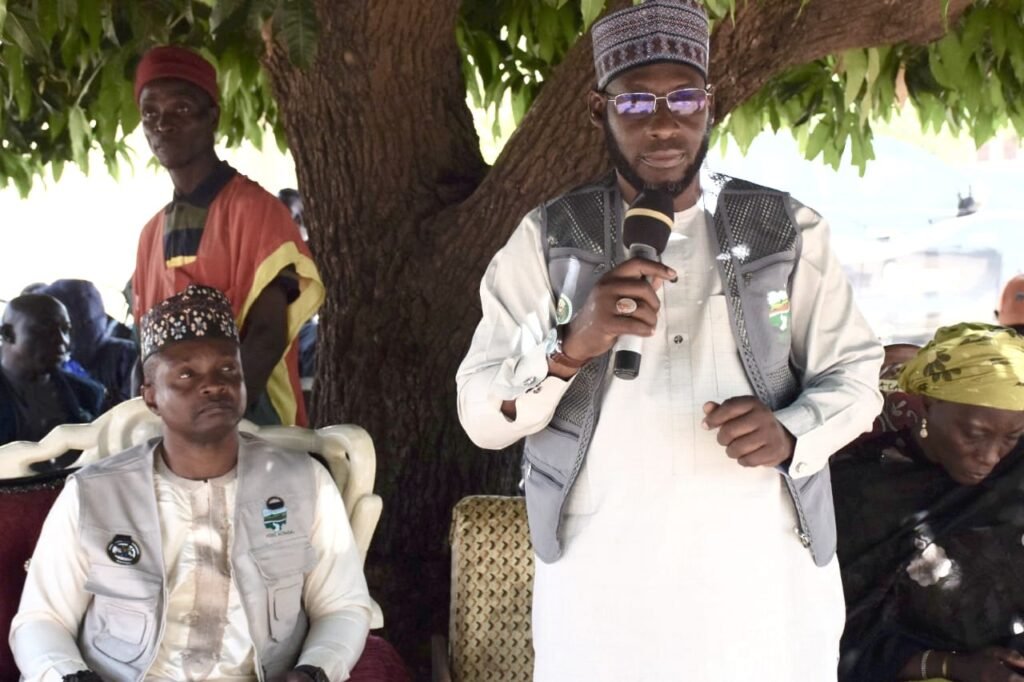

The Niger State Agro-Climatic Resilience in Semi-Arid Landscapes (ACReSAL) Project has successfully concluded its State-led, community-level stakeholders’ engagement, culminating in the finalisation and validation of the Kaduna-Mariga and Sarkin-Pawa-Kaduna Strategic Catchment Management Plans (SCMPs).
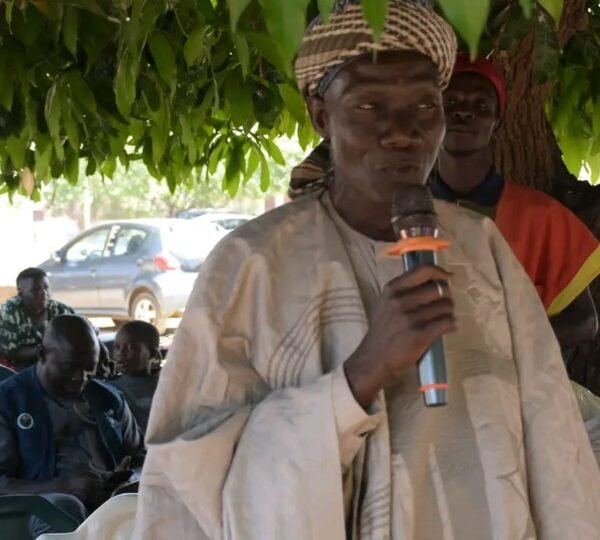
The engagement, which took place on Saturday, 21st November 2026, at the Palace of the Dakacin (Ward Head), Beji, Bosso Local Government Area of Niger State, brought together relevant , community representatives, local government officials and other critical actors to review, contribute to and validate the two strategic catchment management plans.
In his welcome remarks, the State Project Coordinator, Mal. Raji Shehu Adam, welcomed participants and expressed appreciation for their commitment to the process. He provided a brief overview of the ACReSAL Project, highlighting its objectives and the importance of Strategic Catchment Management Plans as essential tools for addressing environmental degradation, promoting sustainable natural resource management and strengthening climate resilience across communities.
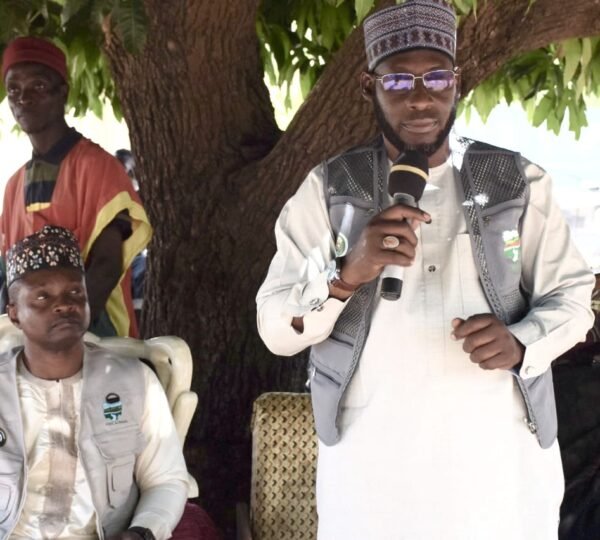 In his opening remarks, the representative of the National Project Coordinator, Mr. Ibeneme Sylvester Uchechukwu, conveyed greetings from the National Project Coordinator and explained the concept, objectives and significance of the Strategic Catchment Management Plans. He emphasised that the plans are designed to provide a coordinated framework for addressing catchment-related environmental challenges through sustainable and inclusive interventions.
He further explained the rationale behind the ACReSAL Project’s community-level stakeholders’ engagement, stressing that the exercise was intended to ensure that the views, experiences, priorities and concerns of communities and other relevant stakeholders were adequately captured. He encouraged participants to actively contribute to the review process to ensure that the final plans reflect the actual environmental realities and development priorities of the catchment communities.
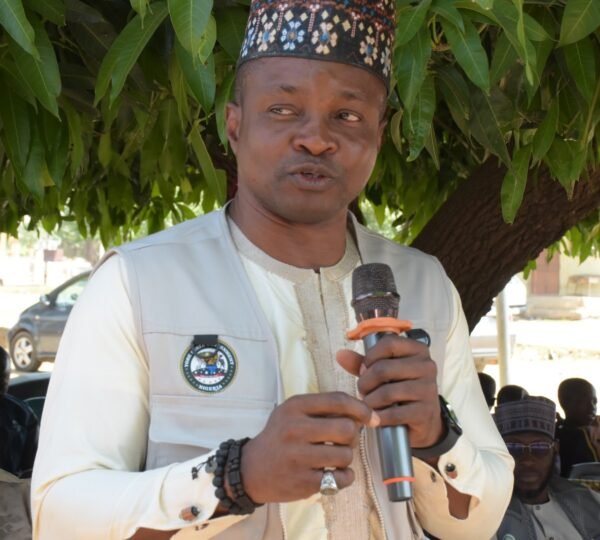 During the technical sessions, participants were taken by Prof. Mairo Mohammed and Prof. Sheil D Abubakar through comprehensive presentations on the two catchments. The Kaduna-Mariga Catchment covers eleven Local Government Areas: Wushishi, Rafi, Lavun, Mariga, Mashegu, Kontagora, Shiroro, Bosso, Munya, Gbako and Edati.
Similarly, the Sarkin-Pawa-Kaduna Catchment comprises four Local Government Areas: Munya, Paikoro, Shiroro and Rafi.
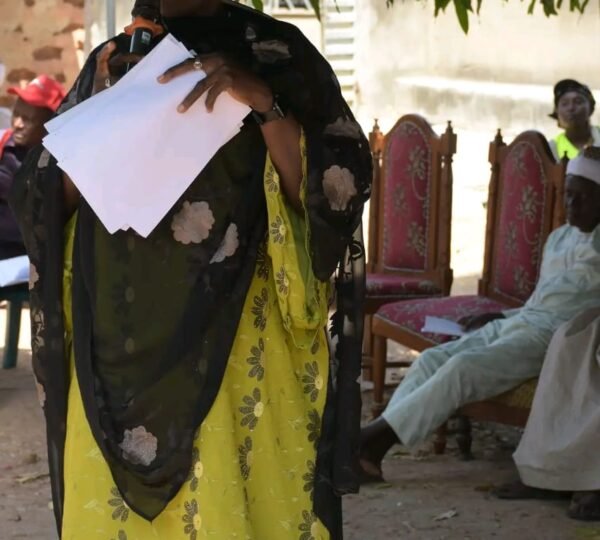 The presentations provided an overview of the two catchments, including their geographical characteristics, boundaries, communities, water resources assessment, land use patterns, environmental conditions, spatial distribution of resources, major challenges and existing opportunities.
The technical review provided stakeholders with a better understanding of the environmental conditions and resource management priorities within the two catchments, while creating an opportunity for them to assess the proposed strategies and interventions.
A major highlight of the engagement was the interactive review and validation session, during which stakeholders made observations, raised questions, offered comments and provided recommendations on the contents of the two Strategic Catchment Management Plans. Their contributions were carefully considered towards ensuring that the documents are comprehensive, inclusive, realistic and implementable.
The process ultimately culminated in the finalisation and validation of both the Kaduna-Mariga and Sarkin-Pawa-Kaduna Strategic Catchment Management Plans, marking a significant milestone in Niger ACReSAL’s efforts to promote participatory and sustainable catchment management in the state.
In his closing remarks, the representative of Bosso Local Government Area, Mal. Ahmed Abdullahi, appreciated Niger ACReSAL, the National Project Coordinator’s representative and all stakeholders for their active participation. He commended the initiative and expressed optimism that the validated plans would provide a strong foundation for addressing environmental challenges and improving the livelihoods of communities across the catchments.
 The successful conclusion of the engagement underscores ACReSAL’s commitment to a state-led, community-driven approach to environmental management, recognising that meaningful community participation and stakeholder ownership are essential to developing and implementing effective Strategic Catchment Management Plans.
With the finalisation and validation of the two plans, Niger State has taken another important step towards strengthening climate resilience, restoring degraded landscapes, protecting natural resources and promoting sustainable environmental development for present and future generations.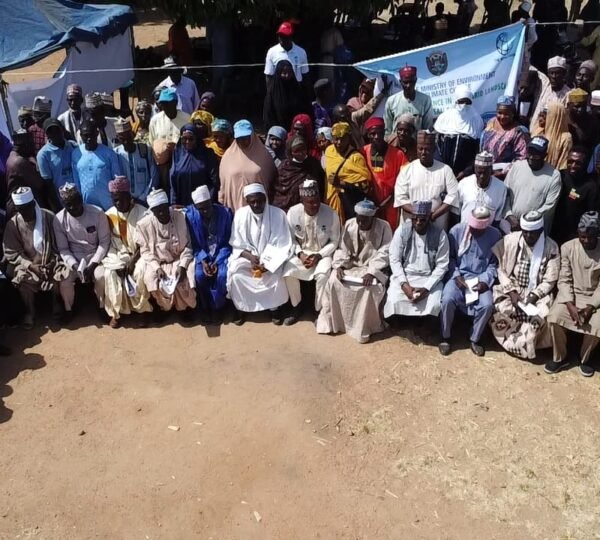
ACReSAL greening the Environment, Saving lives.